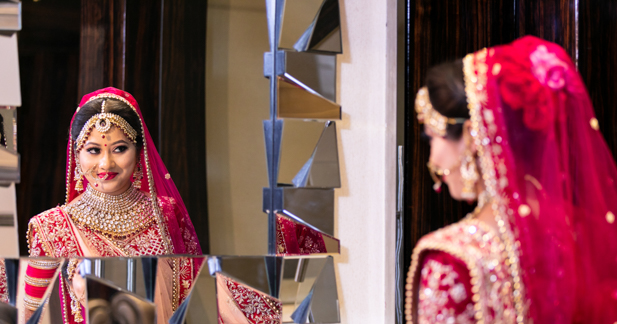
Cinematic Wedding Films vs Traditional Videography — Which Do You Need?
After delivering 300+ wedding films, here's the honest difference between cinematic films and traditional videography — what each looks like, costs, and which one is right for your wedding.
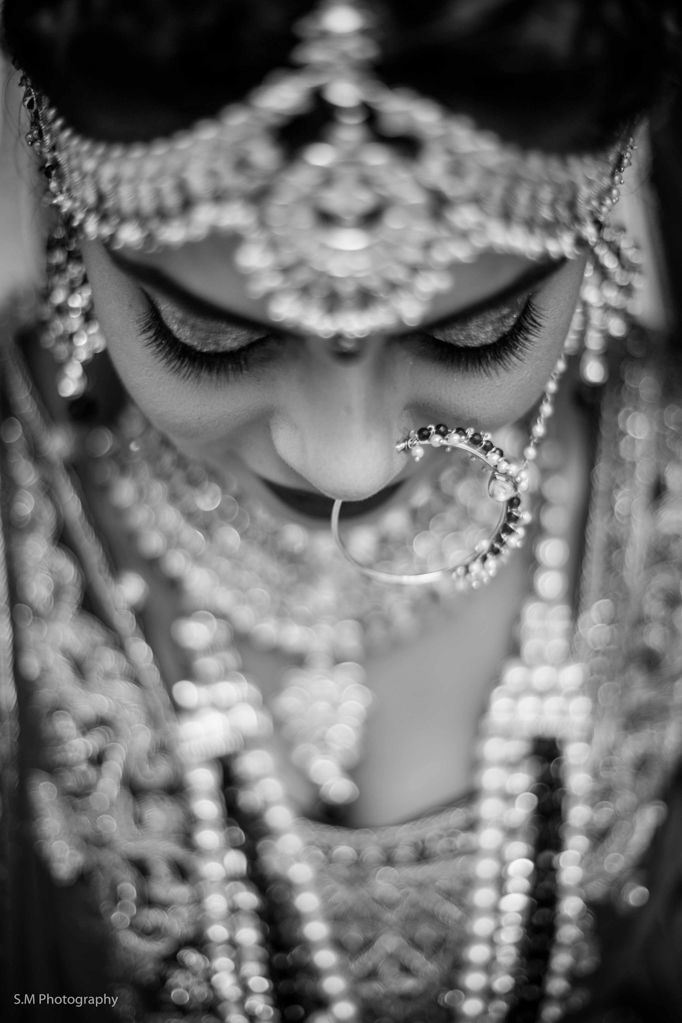
The single biggest spend decision in your wedding budget after photography. Wedding videography in India has split into two distinct camps — traditional and cinematic — and the difference isn't subtle. They're different crafts, different gear, different teams, and dramatically different costs.
Here's the honest comparison, based on having done both for over a decade.
The 30-second summary
Traditional videography = a video record of your wedding. Single or multi-cam, linear, full-length, often with on-camera audio. You watch it once and file it.
Cinematic wedding film = a short film about your wedding. Shot on cinema cameras, scored to music, graded like a feature film, edited as an 8–15 minute narrative. You watch it on every anniversary.
If you want documentation, pick traditional. If you want art, pick cinematic.
The technical differences
1. The camera
| Traditional | Cinematic | |
|---|---|---|
| Camera type | Consumer / prosumer | Full-frame cinema (Sony FX6/FX3, Canon C70, RED Komodo) |
| Sensor | 1-inch or APS-C | Full-frame Super 35 / Super 16 |
| Codec | H.264 8-bit | 10-bit S-Log3, internal RAW |
| Frame rate | 1080p 30fps | 4K up to 120fps |
A cinema camera doesn't just look better — it captures a wider dynamic range, which means it can hold highlight detail on a white wedding lehenga AND shadow detail on the dark mandap backdrop in the same frame. A consumer camera blows one or the other.
2. The lens kit
- Traditional: typically a single zoom lens (24-105mm or 70-200mm) per camera.
- Cinematic: prime lenses with wide apertures — 35mm f/1.4, 50mm f/1.2, 85mm f/1.2. Each lens has a distinct character; primes produce the "filmic" depth-of-field that's visually impossible on consumer zooms.
3. The audio chain
- Traditional: on-camera microphone + ambient sound. Often unusable in noisy mandaps.
- Cinematic: lavalier mics on the priest and couple, shotgun mic on a boom, separate audio recorder synced in post. The vows you actually hear in a cinematic film come from a 4-input wireless system, not the camera mic.
4. The colour grade
- Traditional: auto white-balance, default camera profile. Skin tones drift between scenes.
- Cinematic: shot in S-Log3 or RAW, graded in DaVinci Resolve. Skin tones are scientifically matched across every scene, the entire film has a unified colour palette (warm gold, cool blue, etc.), and any colour artefacts are surgically corrected.
5. The edit philosophy
- Traditional editor: assembles footage chronologically with minimal music. Output is usually 30–60 minutes.
- Cinematic editor: scripts an emotional arc — moments of joy, of stillness, of family — set to a curated track. Output is 8–15 minutes. The most powerful frames may be 0.5 seconds long.
What you actually feel when you watch each
We've sat with hundreds of couples watching their wedding videos for the first time. The traditional video reaction is almost always: "oh that's nice" — followed by skipping to specific scenes.
The cinematic film reaction, when done well, is silence followed by tears. Specifically because the editor has shaped a narrative and married it to music that bypasses the analytical brain.
This isn't about one being better than the other — it's about what you want to feel when you press play in 2036.
When traditional videography still makes sense
- Budget under ₹50,000 for the video component
- Family viewing of full ceremonies is important to your elders (they want to see every pheras, every blessing)
- Religious or community requirement to preserve full ceremony footage for posterity
- Tier-2 or smaller weddings where you need basic documentation more than artistic interpretation
When cinematic is worth it
- You'll re-watch the film over years (cinematic films age beautifully; traditional video feels dated fast)
- You're investing ₹5L+ in the wedding overall and want the documentation to match the production value
- You'd consider sharing the film publicly — Instagram, anniversary posts, family WhatsApp
- The wedding has visually rich moments — destination, heritage venue, dramatic décor — that deserve cinema-grade capture
The hybrid option — what most premium couples choose
Most of our wedding clients now book a cinematic film + an unedited full-ceremony cut as an add-on. You get:
- The 10-minute cinematic film for re-watching and sharing
- A separate 30–45 minute unedited cut of the actual pheras + saath pheras + vidaai for family elders
This adds ₹15,000–₹30,000 to a cinematic package and removes the tradeoff between art and documentation.
What to ask your cinematographer before booking
- What cameras will be on my wedding day? (Should be cinema cameras, not consumer mirrorless)
- Will you grade in DaVinci Resolve or just colour-correct in Premiere? (Resolve = serious; Premiere only = warning sign)
- Can I see a complete 10-minute film from a recent wedding? (Highlight reels lie; full films don't)
- What's the music licensing situation? (Pre-licensed library tracks, original composition, or Bollywood with hopes nobody catches it? The honest answer matters.)
- What's the delivery timeline? (45–60 days is standard for a cinematic film. 90+ days is a warning sign.)
Our cinematic film approach
Every Mukul Photography cinematic film is shot on Sony FX cinema cameras, audio captured with a separate 4-input wireless system, graded scene-by-scene in DaVinci Resolve, and scored from a licensed library (or original composition for an add-on fee). Standard delivery is 45 days.
See our cinematic wedding films service for package inclusions, or view our pricing for transparent costs. Contact us and we'll send a sample film from a wedding at similar scale to yours.
Frequently Asked Questions
What is the difference between cinematic and traditional wedding videography?+
Do I need both a videographer and a cinematic film?+
How much does a cinematic wedding film cost in Delhi NCR?+
How long should a cinematic wedding film be?+
What gear is used to shoot a cinematic wedding film?+
Written by
Mukul
Continue Reading
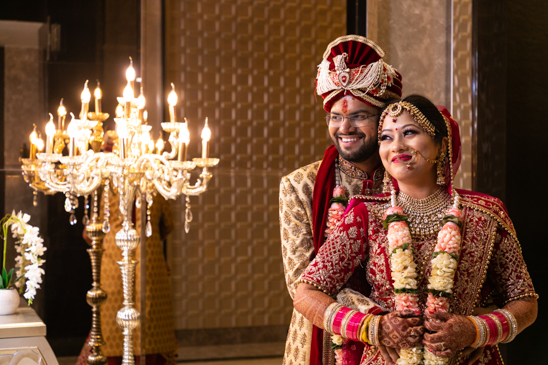
How Much Does a Wedding Photographer Cost in Delhi NCR? (2026)
Honest, itemised wedding photography pricing for Delhi NCR — from budget candid shoots at ₹35,000 to full cinematic legacy packages at ₹3L+. No jargon, no upsells.
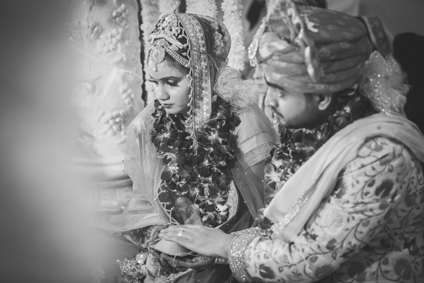
Delhi NCR Wedding Photographers — How to Pick the Right One
After shooting 500+ weddings in Delhi NCR, here's the honest framework we'd use if we were a couple hiring a photographer — not a studio trying to sell you.
What Makes a Wedding Film Truly Cinematic — A 2026 Filmmaker's Guide
Frame rates, lens choice, music licensing, audio rigs and editing decisions — everything that turns a wedding video into a wedding film.