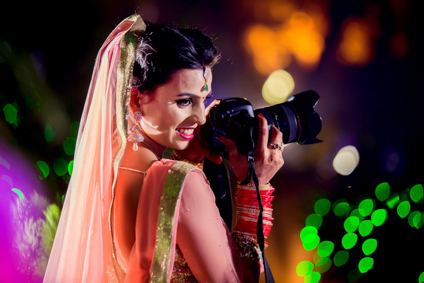
Haldi Photography — The Function Most Couples Under-Photograph
The colours, the chaos, the joy — haldi is the most photographically rich function of an Indian wedding, and the one couples most often skimp on. Here's how to plan it right.
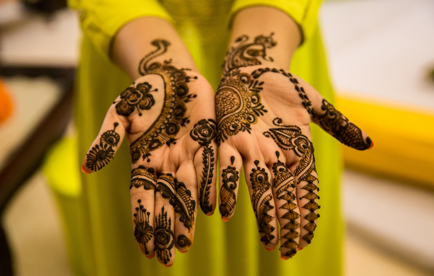
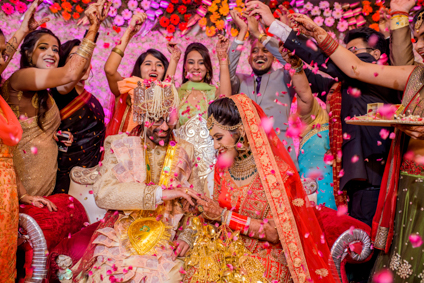
Of every Indian wedding function, haldi is the most photographically rich — turmeric yellow against natural light, fresh marigolds, white outfits, and people dropping every social mask because everyone looks ridiculous. It's also the function where most couples under-spend on photography coverage, treating it as an "informal" function that doesn't need serious documentation.
This is a mistake. The haldi frames are often the most loved in the entire album. Here's how to photograph it right.
Why haldi photography matters more than couples realise
A wedding ceremony is solemn — everyone is on best behaviour, in formal outfits, with practiced expressions. The cinematic film of the pheras is beautiful but reserved.
Haldi is the opposite. Once turmeric is on someone's face, the formality collapses. Aunties laugh louder. Uncles smear extra haldi as a joke. Children run through the courtyard with stained hands. The bride's mother sees her daughter — barefoot, in cotton, covered in yellow — and the emotional barrier drops.
Some of the most extraordinary frames in any wedding album come from the haldi. The frame after the last application, when the bride sits with eyes closed and a slight smile, the morning light coming through, family around her — that's a frame nothing in the wedding ceremony can replicate.
Planning the haldi for photography
1. Hold it outdoors. Or in a room with massive windows.
Indoor haldi photographs are technically difficult because:
- Tube lights have a green cast that fights yellow tones
- LED ceiling lights create harsh shadows under noses and chins
- Yellow turmeric paste under fluorescent light looks pus-green on camera, requiring 2–3 hours of additional editing
Outdoor haldi in morning light (8 AM–10:30 AM) requires zero correction — the natural sunlight makes turmeric look golden, skin look healthy, and shadows fall flatteringly.
If outdoor isn't possible:
- Choose a room with large east-facing or north-facing windows
- Position the haldi seat 2 metres from the window, perpendicular to it
- Turn off all overhead tube lights — the window alone is enough at golden hour
- Photographer brings a portable LED panel for fill light (we always do)
2. Use real marigolds and seasonal flowers, not plastic
Plastic flowers photograph badly — they reflect light unnaturally and the colour saturation is too aggressive. Real fresh marigolds, jasmine, and palash flowers photograph beautifully and pair perfectly with yellow tones.
The decor budget for haldi is usually small. Spend it on fresh flowers and ditch the gold-foil banners.
3. Choose photogenic outfits — yellow family + white groom
Yellow saris, white kurtas, mustard chanderis, pastel pinks, ivory cottons. Avoid bright reds, dark navy, black or chunky synthetics.
The bride traditionally wears yellow or white cotton, often a simple sari or salwar. The groom wears white or cream kurta with a yellow dupatta. Family follows the colour family.
A common mistake: the bride wears a heavy, fully embroidered yellow lehenga because she wants to "look bridal for haldi." This looks great in poses but inhibits the spontaneous candids that haldi is famous for — she's worried about staining, she can't sit on the floor, she can't move freely.
4. Brief the priest/elder coordinating the haldi
Tell the family member coordinating the haldi:
- Allow each person 60+ seconds of haldi application (some families rush through this in 15 seconds, which gives the photographer no time for frame variation)
- Ask people to actually apply haldi to face, not just touch the cheek (the latter looks awkward on camera)
- Allow a 5-minute pause every 15 minutes for the photographer to capture wide environmental shots
5. Plan the music and energy intentionally
Haldi without music feels stiff. Haldi with the right music feels like a celebration that produces incredible candid photos. Brief the family to start playing music during the application, not before or after.
The shot list — every haldi must include these
Setup (30 min before)
- The haldi paste itself — close-up of the bowl with marigold petals
- The haldi seating area before anyone arrives (showcase shot)
- Pre-application bride/groom portrait in clean outfit (the "before")
- Wide environmental shot of the venue
During application (2 hours)
- The first application by the senior-most family member — usually the grandmother or mother
- Each major family member applying haldi — capture the application AND the recipient's reaction
- Close-up of yellow-stained hands
- Children playing in the haldi area (always yielding frames)
- Family laughing at someone covered in haldi
- Quiet moments — bride sitting with eyes closed between applications
- Wide shot showing the entire family circle at the height of the ceremony
Final ritual moments
- The bath ritual (post-haldi cleansing) — usually private, often skipped in coverage
- Bride/groom emerging from the bath — the "after"
- Hands being washed in a brass bowl with marigolds
- Wet hair, fresh face — the "reborn" portrait
Group portraits at end (20 min)
- Bride with her mother
- Bride with sisters / female cousins (the iconic "all in yellow" group)
- Bride with grandmother
- Both families together (if a joint haldi)
- The "covered in haldi" group selfie — always wins social media
What separates good haldi photography from extraordinary haldi photography
Good: Captures the ritual, gets the family group shots, delivers a clean gallery.
Extraordinary: Captures the anticipation — the second before the haldi is applied, when the recipient's eyes are closed and the family member's hand is in mid-air. The reaction during — the surprise, the laughter, the mock protest. The aftermath — the wiping, the laughter, the cleanup.
Extraordinary haldi photography is 80% anticipation + reaction, 20% the actual application. Most photographers shoot the application. The good ones shoot the moments around it.
Don't make these mistakes
- Hiring "half-day" haldi coverage to save money. 3-hour coverage misses either the setup or the post-haldi portraits. Always book 4 hours minimum.
- Combining haldi with mehendi on the same day with one photographer. Both functions need full attention. Either hire two photographers or split them across days.
- Posing too much during haldi. This is the one function where posed frames look forced. Let it unfold.
- Skipping the post-haldi portrait. The 10-minute window after the ritual ends, when the bride/groom is fresh and clean and a little overwhelmed, produces the best portrait frames of the entire wedding. Don't skip this.
Our haldi package
We cover haldi as either:
- Standalone (₹25,000 for 4 hours, single photographer)
- Add-on to wedding package (₹15,000 add-on, same lead photographer ensuring style consistency)
- Mehendi + Haldi combo (₹40,000, two photographers across both days)
See our mehendi and haldi photography service or contact us to add haldi coverage to your existing wedding booking.
Frequently Asked Questions
How long should haldi photography coverage be?+
Should haldi be indoors or outdoors for better photography?+
What outfit colour works best for haldi photographs?+
When does haldi happen in the Indian wedding timeline?+
How can I make sure my haldi photos look like an Instagram shoot?+
Written by
Mukul
Continue Reading
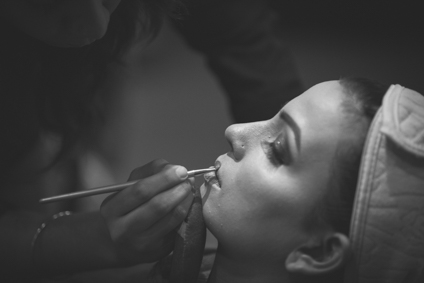
Mehendi Ceremony Photography — A Bride's Complete Checklist
From the first henna paste to the big reveal — the shot list, lighting setup, family coordination tips, and timeline that experienced wedding photographers follow at every mehendi.
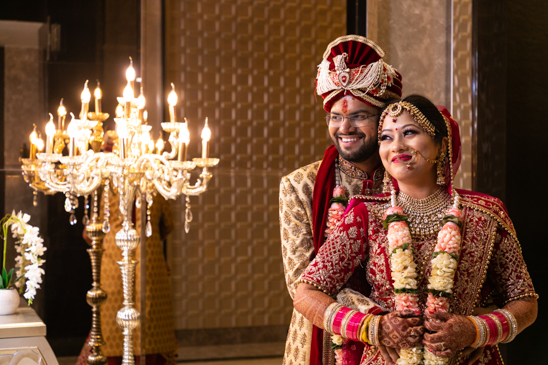
How Much Does a Wedding Photographer Cost in Delhi NCR? (2026)
Honest, itemised wedding photography pricing for Delhi NCR — from budget candid shoots at ₹35,000 to full cinematic legacy packages at ₹3L+. No jargon, no upsells.
12 Most Photogenic Wedding Venues in Delhi NCR (2026)
A working photographer's honest guide to the Delhi NCR venues that actually look stunning in pictures — and the ones that look better in brochures than in frames.