
How Many Photographers Do You Really Need at Your Wedding?
1 vs 2 vs 3 vs a full team — the honest math on photographer team size based on guest count, function complexity, and what's actually coverable per person.
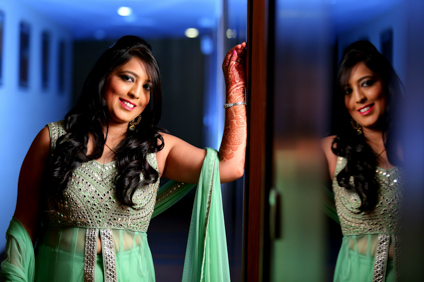
The single biggest source of wedding photography under-delivery isn't lack of skill — it's understaffing. A great photographer working alone at a 500-guest wedding can't be in five places at once. Couples consistently under-budget for team size, then are disappointed when entire functions (mehendi, family group sessions) feel under-covered.
Here's the honest math on how many photographers you actually need, based on wedding scale and complexity.
The fundamental constraint — one camera, one moment
A photographer covers one frame at a time. They can move quickly, anticipate, position cleverly — but at the moment of the sindoor application, they're either capturing the bride's face or the groom's hands. Not both.
This isn't fixable by hiring a better photographer. It's a physics constraint. The only solution is more bodies.
Decision matrix by wedding scale
Tier 1 — Small intimate weddings (under 100 guests, single function)
Team needed: 1 lead photographer Typical cost: ₹35,000–₹75,000
A skilled single photographer can fully cover a 100-guest single-function wedding — court marriages, small registry weddings, intimate ceremonies. The constraint is realistic: limited family groups, one ceremony to capture, manageable guest interactions.
What's still possible with one photographer:
- Full ceremony coverage
- Family group portraits (with patience)
- Couple portraits
- 200–300 edited images
What's not possible:
- Simultaneous bride + groom getting-ready coverage
- Wide-angle ceremony + close-up reactions simultaneously
- Cinematic film parallel to photography
Tier 2 — Mid-scale weddings (150–300 guests, 1–2 functions)
Team needed: 1 lead photographer + 1 assistant photographer + 1 cinematographer Typical cost: ₹75,000–₹1,50,000
This is the standard mid-tier Indian wedding setup. The lead photographer + assistant pair handles photography (one wide, one close), the cinematographer handles film independently.
Why the assistant matters:
- Wedding ceremony: lead shoots couple, assistant shoots family reactions
- Getting-ready: lead shoots bride, assistant shoots groom (in different rooms)
- Reception: lead shoots stage portraits, assistant shoots dance floor candids
Why the dedicated cinematographer matters:
- Photography and cinematography have different framing requirements
- Cinematographers use different cameras (Sony FX vs A7), different audio setup
- A single person trying to do both produces compromised results in both
Tier 3 — Large weddings (300–600 guests, multi-function)
Team needed: 2 photographers + 1 cinematographer + 1 cinema assistant + occasional drone pilot Typical cost: ₹1,50,000–₹3,00,000
Multi-function Indian weddings require more coverage hours and more parallel coverage. The cinema assistant handles audio setup, second camera angles, and equipment changes — without one, the cinematographer becomes a bottleneck during fast-moving sequences.
Why two photographers are non-negotiable:
- Baraat coverage: one stays with the groom, one covers the dancing family
- Ceremony coverage: one wide, one close — for the sindoor and mangalsutra
- Reception: one on stage portraits, one on dance floor
Tier 4 — Luxury / destination weddings (500+ guests, 3+ functions)
Team needed: 3 photographers + 2 cinematographers + drone pilot + dedicated editor Typical cost: ₹3,00,000–₹6,00,000+
At this scale, even 2 photographers can't keep up. Three photographers allow:
- One stays with the bride throughout
- One stays with the groom throughout
- One covers wide/family/environmental shots
The dedicated drone pilot handles aerial cinematography for the baraat, venue overheads, and dramatic establishing shots.
The dedicated editor (on-site) handles same-day teaser delivery and ingest organisation.
When you can get away with less
Single-function compressed weddings (court marriage, registry, religious-only): 1 photographer is fine. No multi-location demands.
Small-budget tiered approach: Hire 1 photographer + 1 cinematographer for the main wedding day. Skip the assistant photographer and accept the coverage compromise. Saves ₹30,000–₹50,000.
Off-peak/weekday weddings: Lower guest counts often mean fewer functions, simpler logistics. A 200-guest weekday wedding with one ceremony can be handled with 1 photographer + 1 cinematographer.
When you absolutely need more
Multi-day weddings: Each day requires fresh crew. Photographers who shoot 14-hour days for 3 consecutive days produce degraded quality by day 3. Plan for a rotating crew — at minimum, alternate lead photographers across days.
Multiple parallel functions: If your sangeet and family dinner run simultaneously, or if the bride's haldi and groom's haldi happen in different cities the same morning — you need parallel coverage teams.
Destination weddings with multiple venues: Travel time between venues eats into shoot time. Plan team logistics around movement, not just function coverage. See our destination wedding photography approach for how we staff multi-venue shoots in Udaipur, Goa and beyond.
High-VIP guest lists: Politicians, celebrities, or families with senior community elders often require dedicated coverage for VIP interactions — a full "family group portrait sequencing" specialist beyond the regular photography team.
The cost-benefit math
Going from 1 to 2 photographers typically adds ₹25,000–₹50,000 to your package. What you get:
- 30–40% more total frames captured
- Full simultaneous coverage of critical moments (sindoor, mangalsutra, family reactions)
- Independent getting-ready coverage for both partners
- Backup capability if one camera or photographer has issues
For a wedding above 150 guests, this is generally the highest-ROI add to a package. More valuable than a longer film, a printed album, or premium drone shots.
Common team-sizing mistakes
1. "We'll have a friend take photos as backup." Friends don't replace photographers. They produce different output, can't coordinate with the main team, and often interfere with the main photographer's positions.
2. "One photographer can do both photography and video." Possible but compromised. The output is usually 60% quality on each compared to specialists.
3. "We don't need a cinematographer — we'll skip video." For 500-guest weddings, you'll regret this. The cinematic film is what gets re-watched; the album is what gets framed. Both matter.
4. "We don't need drone — we have ground photographers." Aerial coverage is irreplaceable for outdoor weddings. The baraat from above is a different frame than baraat from ground.
5. "More photographers means more chaos." This is true if the team isn't coordinated. A well-organised studio of 5 with role clarity outperforms a single freelancer every time.
How to verify team size in your contract
Before signing:
- Names of every team member specified
- Role of each person (lead photographer, assistant, cinematographer, drone pilot, editor)
- What each is responsible for shooting
- Substitution clauses — what happens if someone is unavailable
If a studio quotes "we'll bring 2 photographers" but doesn't name them, you don't know what you're getting.
Our team approach
Our standard packages include:
- Still Stories (₹75,000): 1 lead photographer + 1 assistant
- Cinema & Stills (₹1,35,000): 1 lead photographer + 1 assistant + 1 cinematographer
- Legacy (₹2,25,000): 2 photographers + 2 cinematographers + 1 drone pilot
Each role is named in the contract. Substitutions require your written approval.
See our pricing or contact us to discuss your wedding's specific team requirements.
Frequently Asked Questions
How many photographers do I need for an Indian wedding?+
What's the difference between single and dual-photographer wedding coverage?+
Is a dedicated cinematographer different from a videographer?+
When do I need a drone pilot at my wedding?+
Written by
Mukul
Continue Reading
How Much Does a Wedding Photographer Cost in Delhi NCR? (2026)
Honest, itemised wedding photography pricing for Delhi NCR — from budget candid shoots at ₹35,000 to full cinematic legacy packages at ₹3L+. No jargon, no upsells.
Indian Wedding Photography Timeline — Function by Function
From the haldi at 8 AM to the vidaai at 11 PM — a realistic, function-by-function photography timeline for an Indian wedding, with how long each takes and what to capture.
Delhi NCR Wedding Photographers — How to Pick the Right One
After shooting 500+ weddings in Delhi NCR, here's the honest framework we'd use if we were a couple hiring a photographer — not a studio trying to sell you.