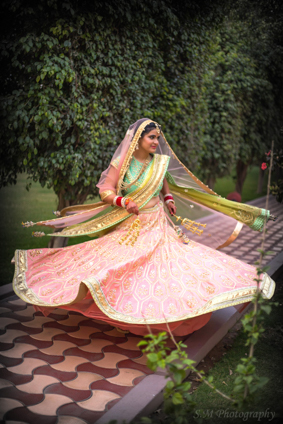
Indian Wedding Photography Timeline — Function by Function
From the haldi at 8 AM to the vidaai at 11 PM — a realistic, function-by-function photography timeline for an Indian wedding, with how long each takes and what to capture.
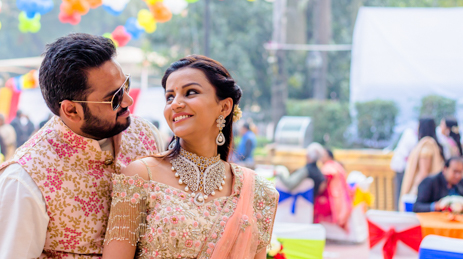
The single biggest gap between a great wedding album and a mediocre one isn't equipment or talent — it's the timeline. Functions that are too compressed, gaps that leave the photographer with nothing to shoot, transitions that lose the energy. Here's the realistic, function-by-function timeline that produces the best photography across an Indian wedding.
Day 1 — Mehendi & Sangeet
Mehendi (typically 3 PM–7 PM)
Photographer arrives: 2:00 PM Pre-event coverage (45 min): Decor setup, mehendi tray detail shots, venue empty wide shots Active mehendi (2 hours): Application begins around 3:30 PM. Photographer alternates between close-up detail shots and wide candid frames Reveal phase (30 min): The bride's mehendi is finished around 5:30 PM. The reveal sequence is the most photogenic 15 minutes of the day Group portraits (30 min): Family portraits with mehendi-stained hands, the iconic "all in yellow" group shot Wrap: 7:00 PM
See our detailed mehendi photography checklist for the full shot list.
Sangeet (typically 8 PM–12 AM)
Photographer arrives: 6:30 PM Setup coverage (1 hour): Stage decor, lighting setup, sound check Family arrivals (45 min): As guests arrive, capture welcome candids and family group portraits in pre-rehearsal energy Performances begin (8 PM): The actual sangeet — every choreographed performance, the surprised reactions of the couple watching their friends/family perform Couple performance (~10 PM): Almost always the photographic highlight of the night Free dance + photographs (10:30 PM–12 AM): Open dance floor — pure candid territory Wrap: 12:00 AM
Critical: Brief your photographer on which performances feature the closest family. They will need to be ready with the right lens (typically 70-200mm) for stage performances vs. (35mm wide) for dance floor.
Day 2 — Haldi & Wedding Ceremony
Haldi (typically 8 AM–11 AM)
Photographer arrives: 7:30 AM Pre-event coverage (30 min): Setup, decor, the bride/groom's pre-haldi portrait Active haldi (2 hours): Family-by-family application. Allow each person 60+ seconds for a proper photographic capture Reveal + portraits (45 min): Post-bath portraits, the "clean and reborn" frames Wrap: 11:15 AM
Bridal getting ready (typically 12:30 PM–3 PM, varies)
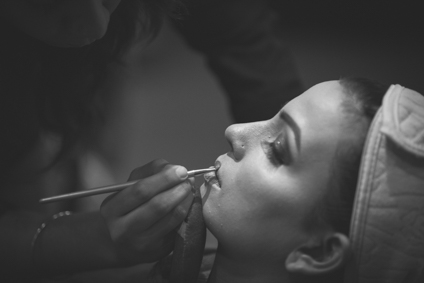
Photographer arrives: 12:00 PM Hair & makeup coverage (1.5 hours): This is the most underrated photography window. The bride being transformed, surrounded by friends/sisters, mother watching — extraordinary frames Outfit reveal (30 min): Slipping into the lehenga, the first look in the mirror, the mother seeing her daughter dressed Jewellery and accessories (30 min): Each piece being added — heirloom shots Wrap: 3:00 PM
Groom prep happens parallel: Brief a second photographer or have the lead split time. Don't compress both into the same window with one photographer.
Baraat (typically 4 PM–5 PM)
Photographer arrives: 3:30 PM at the baraat starting point Procession coverage (1 hour): The horse, the band, the family dancing, the groom emerging from the car, the wedding party energy Arrival at venue (30 min): Welcome from the bride's family, milni rituals, sisters blocking the entrance for shagun Wrap: 5:30 PM
Main wedding ceremony (typically 6 PM–9 PM)
Photographer arrives: 5:00 PM Pre-ceremony portraits (1 hour): Bride and groom individual portraits, family groups, this is when the formal posed shots happen Varmaala / Jaimala (30 min): The garland exchange — visually rich Pheras (60–90 min): The seven circles. Position the photographer beforehand — they need to know which direction the couple is rotating Sindoor + mangalsutra (15 min): The defining ritual moments Family group portraits (45 min): Immediately after the ceremony, before everyone disperses Wrap: 9:30 PM
Reception (same evening or next day, typically 8 PM–12 AM)
Photographer arrives: 7:00 PM Pre-reception couple portraits (45 min): The couple in reception outfits, golden-hour portraits Family arrivals (30 min): Each family group arriving, candid greetings Stage portraits (2 hours): Group photos with every couple/family who comes to the stage — high volume, repetitive work Cake cutting + first dance (30 min): Choreographed photographic highlight Open dance + late candids (60 min): Where the most memorable candids of the night happen Wrap: 12:00 AM
Day 3 — Vidaai or Reception (varies by tradition)
If reception was on Day 2, Day 3 is often the vidaai or post-wedding family lunch.
Vidaai (typically 11 AM–1 PM)
Photographer arrives: 10:30 AM Pre-vidaai family time (30 min): Quiet moments — the bride with her parents, last meals together Vidaai ceremony (45 min): The emotional ritual — handfuls of rice, family blessings, the car leaving Wrap: 1:00 PM
Total photography coverage hours
A typical 3-day North Indian wedding:
- Day 1 (mehendi + sangeet): 8–10 hours
- Day 2 (haldi + getting ready + baraat + ceremony + reception): 12–14 hours
- Day 3 (vidaai): 2–3 hours
- Total: 22–27 hours of active coverage
For destination weddings, add 1–2 hours per day for environmental/location shots that justify the destination decision.
The single biggest scheduling mistake to avoid
Don't schedule the main ceremony immediately after a 3-hour gap from the last function.
Couples often think "the photographer will rest during the gap." What actually happens: family energy collapses, the bride changes 3 times, the photographer is paid to be present but has nothing meaningful to shoot, and the energy at the ceremony is muted because everyone is tired from waiting.
Better: keep functions tight (90-min gaps maximum), and have the photographer present for the in-between moments. The in-between moments — the family changing, the priest preparing, the children running around — often produce the best candids.
What to share with your photographer 7 days before
A written timeline with:
- Each function's start and end time
- The venue address for each function
- Names of the senior-most family members performing each ritual
- Anything you absolutely want photographed (a specific shot, a family heirloom, a person)
- Anything you don't want photographed (a feuding relative kept apart, a private family moment)
The 30 minutes you spend on this document is worth more than any photography skill on the day. A photographer with a clear timeline outperforms a more talented photographer working blind.
Our timeline planning
We send every booked couple a customisable Google Sheet template with all functions, default timings, and venue fields. We do a 60-minute timeline call 14 days before the wedding to finalise everything. This is included in every package — no extra fee.
See our wedding photography packages or contact us to discuss your wedding timeline.
Frequently Asked Questions
How long should each Indian wedding function be allocated for photography?+
What time should an Indian wedding photographer arrive?+
How many days of coverage does an Indian wedding need?+
What's the ideal time of day for the main wedding ceremony for photography?+
Written by
Mukul
Continue Reading
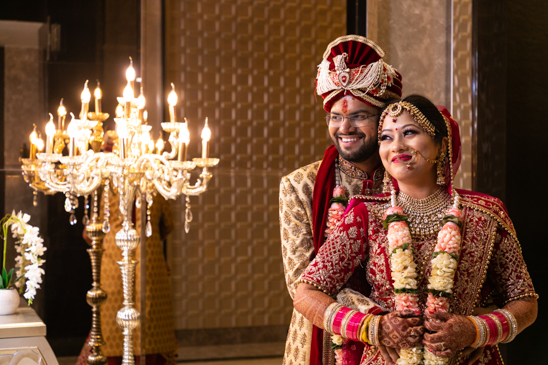
How Much Does a Wedding Photographer Cost in Delhi NCR? (2026)
Honest, itemised wedding photography pricing for Delhi NCR — from budget candid shoots at ₹35,000 to full cinematic legacy packages at ₹3L+. No jargon, no upsells.
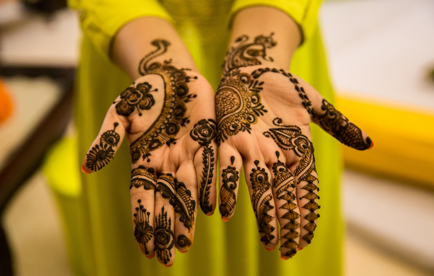
Haldi Photography — The Function Most Couples Under-Photograph
The colours, the chaos, the joy — haldi is the most photographically rich function of an Indian wedding, and the one couples most often skimp on. Here's how to plan it right.
Mehendi Ceremony Photography — A Bride's Complete Checklist
From the first henna paste to the big reveal — the shot list, lighting setup, family coordination tips, and timeline that experienced wedding photographers follow at every mehendi.