Wedding Photography Trends in India — 2026 Edition
What's changing in Indian wedding photography this year — from anti-cinematic 'real' aesthetics to AI-assisted culling, drone reels, and the death of the highlight reel. Working photographer's view.
The Indian wedding photography market in 2026 looks meaningfully different from 2023. After delivering hundreds of weddings in this market, here's what's actually changing — and what to look for when booking your photographer this season.
Trend 1 — The death of "highly stylised" cinematic
The over-styled, orange-teal-graded, slow-motion-heavy cinematic look that dominated 2018–2023 is losing favour. Couples who watched dozens of nearly-identical wedding films during the lockdown years now associate that aesthetic with "every wedding film looks the same."
What's replacing it:
- Natural colour grading that preserves skin tones honestly
- Ambient audio (priest mantras, family laughter, vidaai cries) instead of wall-to-wall music
- Less aggressive slow-motion — 24fps narrative pace, not 120fps everywhere
- Shorter films — 6 to 10 minutes instead of 15 to 25
- Editorial rather than commercial framing
The studios still producing 2019-style heavily-graded films are getting fewer bookings. Couples want their wedding film to look like their wedding, not like an Imtiaz Ali music video.
Trend 2 — Documentary candid replacing "styled candid"
For a decade, the dominant style of Indian wedding "candid" was actually staged: photographers directing the bride to laugh naturally, asking couples to walk towards the camera, choreographing supposedly spontaneous moments.
In 2026, true documentary photography is making a return. Couples are explicitly asking for:
- No couple-walking-towards-camera frames
- No "look at each other and smile" shots
- More in-between moments — the bride scratching her nose, the groom checking his phone
- Wider environmental frames showing the actual wedding chaos
- Less perfectly-composed Instagram squares
This is harder to shoot. It requires patient observation rather than active direction. It separates documentary-trained photographers from staged-candid practitioners.
Trend 3 — Drone becoming default, not premium
Until 2024, drone photography was a premium add-on in Indian wedding packages. In 2026, it's increasingly the baseline.
Two reasons:
- DGCA rule simplifications — flying compliant drones at outdoor weddings is now significantly easier
- Drone reel demand — every couple now expects the cinematic baraat shot from above
What's changing is the type of drone work. Heavy formulaic shots (overhead mandap, drone-pull-back from the couple) are out. Subtle integration of drone B-roll into the cinematic film flow is in.
Trend 4 — Same-day social posts as baseline expectation
In 2023, a same-day teaser reel was a premium feature. In 2026, it's a baseline expectation. Specifically:
- Sneak peek photos (5–10 frames) within 24 hours of the wedding
- 60–90 second cinematic reel ready by the reception or within 24 hours
- Instagram-ready vertical format for stories
- Optimised for first-week-social-share — couples want to post immediately, not 30 days later
Studios that can't deliver same-day or 24-hour content are increasingly being passed over for those that can.
Trend 5 — AI-assisted culling enabling faster delivery
AI tools for image culling (auto-rejecting blurry, eye-closed, duplicate frames) have matured significantly in 2025–2026. Mid-tier studios using these tools can now deliver:
- Photos in 14 days (vs 30-day industry standard)
- Cinematic films in 30 days (vs 45–60 day standard)
- Sneak peeks in 6 hours (vs 24)
This is partly why fast delivery is becoming a competitive advantage — the technology now supports it.
Important caveat: AI culling can speed up filtering but doesn't replace the photographer's judgement on the final edit. Studios over-relying on AI produce technically acceptable but artistically average galleries.
Trend 6 — Gallery curation over highlight reels
The Instagram highlight reel (9 best frames) is declining as the primary discovery tool. Couples are now:
- Asking to see complete galleries from real weddings (400+ images)
- Evaluating photographers on consistency across hours of coverage
- Less impressed by curated highlight reels that mask the studio's average work
- More attentive to delivery format (online gallery navigation, mobile experience)
Studios building strong gallery experiences (mobile-first, fast-loading, easily shareable with family) are winning bookings over studios with prettier portfolios but worse delivery UX.
Trend 7 — The end of "single bridal portrait" album covers
For years, the wedding album cover was a single dramatically-lit bridal portrait. In 2026, multi-image collage covers showing 4–6 frames are becoming standard. Reasons:
- Better representation of the full wedding day
- Shows the range of photography (candid + portrait + detail)
- More personalised to the couple's specific story
- Better for social sharing (multi-image carousel works better than single image)
Trend 8 — Environmental and editorial portraiture rising
The "couple in front of plain backdrop" portrait is being replaced by environmental portraits — couple in the venue's natural setting, integrated with architectural or natural elements.
What this looks like:
- Couple on a heritage venue's staircase, not posed against a white wall
- Use of negative space and architectural lines
- Lower angles capturing context
- Wider lenses showing setting, not just face
This requires photographers comfortable with editorial composition — which is rarer than people with portfolio frames that look editorial.
Trend 9 — Cultural specificity over generic Indian wedding aesthetic
The pan-Indian-wedding aesthetic (lehengas, sherwanis, marigolds, generic baraat) is being replaced by community-specific visual coverage. Studios are getting better at:
- Distinguishing Tamil from Telugu wedding aesthetics
- Capturing region-specific rituals (Bengali Subho Drishti, Konkani dharrey)
- Outfit and decor coverage specific to the family's community
- Cultural context in the cinematic film narration
This is good for couples — your wedding documentation should look like your wedding, not like a generic Indian wedding.
Trend 10 — Pricing transparency as a competitive advantage
Most studios still hide pricing behind "request a quote" forms. In 2026, the studios with public pricing pages are gaining bookings — because couples increasingly evaluate based on transparent pricing before even reaching out.
What hasn't changed
- Reviews still matter most. Google reviews and word-of-mouth referrals still drive 60%+ of wedding bookings.
- The lead photographer's identity matters more than the studio name. Couples increasingly want to know who specifically will shoot their wedding.
- Family group portraits still need to happen. The trend toward documentary doesn't eliminate the need for posed group shots — it changes the ratio.
- Same-day energy is the photographer's most underrated skill. Equipment is increasingly commoditised; what separates great photographers is still their on-the-day presence.
What this means for your booking
If you're booking your wedding photographer for the 2026–2027 season:
- Demand a complete recent gallery before booking, not just highlights
- Discuss film length and aesthetic explicitly — make sure you're not getting 2020-style by default
- Ask about same-day delivery capability — sneak peeks within 24 hours is now reasonable to expect
- Verify drone is included or quoted separately — it shouldn't be a surprise add-on
- Check pricing transparency — studios hiding pricing often have inconsistent rates
Our 2026 approach
We've shifted toward shorter cinematic films (now 8–10 minutes standard), natural colour grading, documentary-first candid, and same-day sneak peek delivery within 24 hours. Drone is included in our top-tier package. Pricing is fully transparent at /pricing.
See our pricing or contact us to discuss your specific aesthetic preferences for your 2026 wedding.
Frequently Asked Questions
What are the biggest wedding photography trends in India for 2026?+
Is the cinematic wedding film still trending in 2026?+
What's out of fashion in wedding photography for 2026?+
What new technology is changing wedding photography in 2026?+
Written by
Mukul
Continue Reading
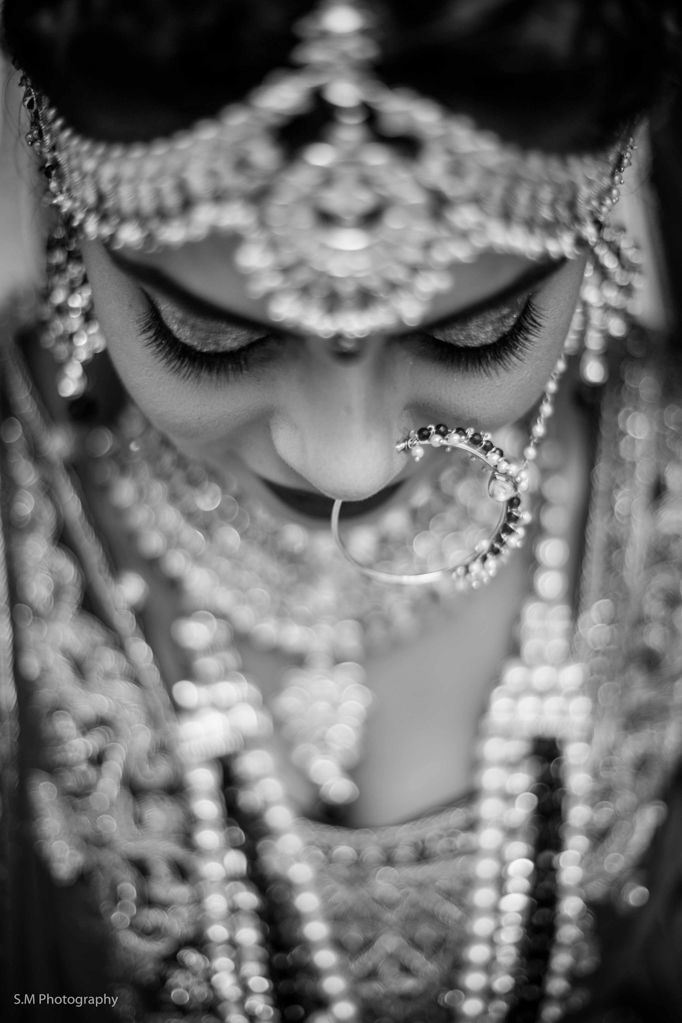
Cinematic Wedding Films vs Traditional Videography — Which Do You Need?
After delivering 300+ wedding films, here's the honest difference between cinematic films and traditional videography — what each looks like, costs, and which one is right for your wedding.
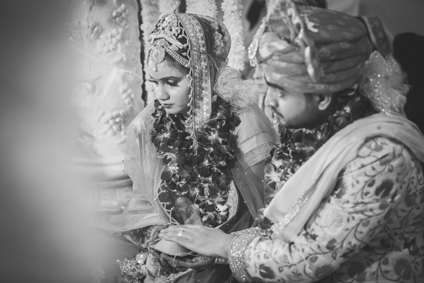
Delhi NCR Wedding Photographers — How to Pick the Right One
After shooting 500+ weddings in Delhi NCR, here's the honest framework we'd use if we were a couple hiring a photographer — not a studio trying to sell you.
How Much Does a Wedding Photographer Cost in Delhi NCR? (2026)
Honest, itemised wedding photography pricing for Delhi NCR — from budget candid shoots at ₹35,000 to full cinematic legacy packages at ₹3L+. No jargon, no upsells.