
Punjabi Wedding Photography — Rituals, Shot List & Planning Guide
From the chooda ceremony to the doli — every ritual of a Punjabi wedding broken down with what to capture, when to plan it, and the cultural context that separates good Punjabi wedding coverage from generic Indian wedding coverage.
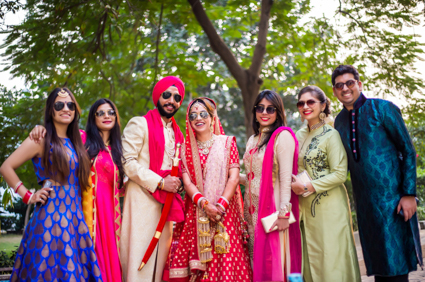
A Punjabi wedding is the most photographically rewarding wedding tradition in India — purely because of energy and ritual density. There's almost no down-time; from the first jaago at 4 AM to the last reception dance at midnight, something photographically significant happens every 20 minutes. Capturing it well requires understanding the rituals, anticipating the moments, and planning coverage that doesn't burn out the photography team.
Here's the working guide from over 200 Punjabi weddings.
The Punjabi wedding sequence (typical 4-day)
Day 1 — Mehendi + Sangeet
Mehendi (afternoon, 3 PM–7 PM): The bride's hands and feet are decorated with henna. Family women often have their own mehendi applied. The "groom's name hidden in the design" tradition gives a strong reveal moment.
Sangeet (evening, 8 PM–12 AM): Choreographed dance performances by both families. The energy peaks around 10–11 PM. Capture the surprised reactions of the couple watching their cousins/friends perform.
Day 2 — Jaago + Chooda + Haldi/Maiya
Jaago (5 AM–7 AM): Pre-dawn ritual where the bride's maternal family (mamas, mamis) wakes the household carrying a brass pot of fire (jaago) and singing traditional boliyan. Photographically extraordinary because of the early-morning light, the small group dynamic, and the singing.
Chooda (morning, 8 AM–10 AM): The defining Punjabi bride ritual. The bride wears red and ivory bangles (chooda), gifted by her mama. The bangles are tied with kalire (gold ornaments) by sisters and cousins, then covered with a cloth until the wedding ceremony.
Haldi/Maiya (afternoon, 12 PM–3 PM): Turmeric application. In Punjabi tradition, often more elaborate than other regions — multiple family members apply haldi separately, and the bride's siblings often perform staged dance routines mid-ceremony.
Day 3 — Anand Karaj (Sikh) or Wedding (Hindu-Punjabi)
Baraat (afternoon, 3 PM–5 PM): The groom arrives on a horse with the band playing and the entire wedding party dancing. The defining visual moment of a Punjabi wedding.
Milni (4 PM–5 PM): Both families meet at the venue entrance. Specific family members (groom's uncle meets bride's uncle, etc.) exchange garlands and gifts.
Anand Karaj / Wedding ceremony (5 PM–8 PM): Sikh weddings at the Gurdwara with four lavaans around the Guru Granth Sahib. Hindu-Punjabi weddings with seven pheras around the sacred fire.
Reception (9 PM–12 AM): Bhangra-heavy reception. The dance floor is generally open longer than non-Punjabi weddings.
Day 4 — Vidaai
Doli (morning, 11 AM–1 PM): The bride's emotional departure. Father, brothers, and uncles carry the doli (palanquin) or the bride to the car. Always the most emotionally intense moment of the wedding.
The 12 must-have Punjabi wedding shots
These are the frames couples wish they had captured but often don't if the photographer isn't briefed:
- Jaago at first light — the brass pot of fire being carried, family singing
- Mama placing chooda on the bride's arm — close-up of the bangle being lifted onto her hand
- Bride's reaction during chooda — often emotional, especially if her father has passed
- Kalire being tied by sisters — each kalire tied by a different person, multi-frame series
- Bride covering chooda with cloth — the symbolic close-out before the wedding
- Groom's baraat preparation — sherwani being put on, kalgi (turban ornament) added, sehra (face cover) being placed
- Baraat dance candids — uncle dancing alone, the moment the groom mounts the horse, the band's expressions
- Milni — specific family members meeting, the exchange of garlands and gifts
- The pheras/lavaans in motion — wide-angle showing the full mandap or Gurdwara setting
- Sindoor / mangalsutra moment (Hindu-Punjabi) or final lavaan (Sikh) — the moment of becoming married
- First family group photo as a married couple — taken immediately after the ceremony
- Doli farewell — the bride being carried, father's expression, mother's collapse (this frame is requested by 90%+ of families)
Photography logistics specific to Punjabi weddings
1. Sikh Gurdwara restrictions
If your wedding is at a Gurdwara:
- No flash photography during the Anand Karaj
- No shooting from elevated positions above the Guru Granth Sahib
- Head covered for all photography crew
- No shoes anywhere on the main floor
- Modest dress for the photography team (no shorts, no sleeveless tops)
- No shooting during specific ardaas (prayer) moments — coordinate with the granthi beforehand
Some Gurdwaras require advance permission for professional photography. Verify 2 weeks ahead.
2. Baraat coverage requires multiple cameras
The baraat is a 60–90 minute event with movement. One photographer can't cover the front (groom on horse), the dancers (mid-procession), and the family arrival simultaneously. Plan for 2 photographers + 1 cinematographer on the baraat.
3. Doli/Vidaai is high-emotional, low-light
By the time the doli happens (often after a long night), light is harsh midday. Plan for natural-light positioning — the bride's family typically gathers in a covered porch or doorway, which can be very dim. Bring portable LEDs.
4. Reception runs longer than other regions
Punjabi receptions often go until 12–1 AM with continuous dancing. Plan for staggered photographer shifts — having one fresh photographer for the late candids preserves quality.
Cultural nuances Punjabi families appreciate (but don't always articulate)
- Mama (maternal uncle) is the VIP — Capture every interaction between the bride and her mama with extra care. He's the second most important person at the wedding after the bride.
- The grandmother's blessing — In Punjabi tradition, the senior-most grandmother (dadi/nani) often performs specific blessing rituals. These are intimate, brief, and easy to miss.
- The bride's father at vidaai — Cultural expectation is that he holds emotional composure publicly. The frame just after he steps back — usually with tears he didn't show during the actual farewell — is the one the family will remember.
- Don't direct during anand karaj — Sikh weddings are sacred ceremonies. The granthi and the couple are the focal points; the photographer's job is invisibility.
Outfit and decor considerations for Punjabi wedding photography
- Red dominates Punjabi bridal palettes. This requires the photographer to manage red channel correction in post (red lehengas can blow out detail or look muddy depending on exposure)
- Gold jewellery is heavy and reflective. Plan close-ups in soft light to avoid blown highlights
- Pagri colours (groom's turban) should contrast outfits — common mistake: groom in matching red sherwani + red pagri reads as a monochrome block in wide shots
- Marigold + jasmine combinations in decor photograph beautifully under tungsten event lighting
Our Punjabi wedding coverage
We've shot 200+ Punjabi weddings across Delhi NCR — Sikh and Hindu-Punjabi traditions both. We brief our team on Sikh Gurdwara protocols, we know the chooda ceremony timing, and our standard Punjabi wedding package includes 2 photographers + 1 cinematographer minimum.
See our wedding photography service, view our pricing, or contact us — share your wedding dates and we'll discuss specific cultural requirements.
Frequently Asked Questions
What's unique about Punjabi wedding photography?+
How many days does a Punjabi wedding need to be photographed?+
What is the chooda ceremony and how is it photographed?+
What's the difference between Sikh and Punjabi-Hindu wedding photography?+
Written by
Mukul
Continue Reading
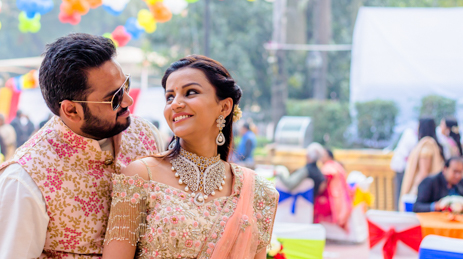
Indian Wedding Photography Timeline — Function by Function
From the haldi at 8 AM to the vidaai at 11 PM — a realistic, function-by-function photography timeline for an Indian wedding, with how long each takes and what to capture.
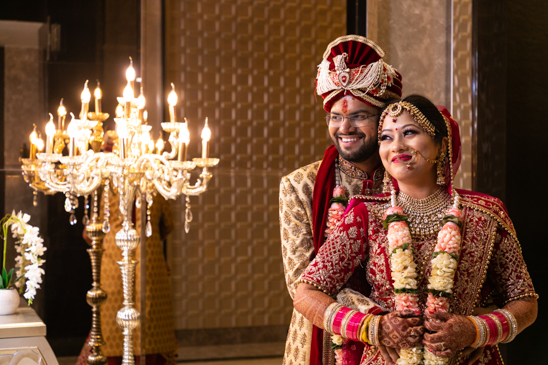
How Much Does a Wedding Photographer Cost in Delhi NCR? (2026)
Honest, itemised wedding photography pricing for Delhi NCR — from budget candid shoots at ₹35,000 to full cinematic legacy packages at ₹3L+. No jargon, no upsells.
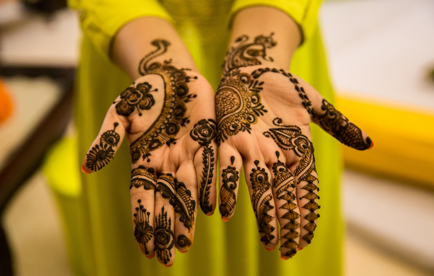
Haldi Photography — The Function Most Couples Under-Photograph
The colours, the chaos, the joy — haldi is the most photographically rich function of an Indian wedding, and the one couples most often skimp on. Here's how to plan it right.